
RSA Conference Creates 'Kinda AI' Expo Section for Companies That Added a Chatbot in 2025

RSA Conference Creates 'Kinda AI' Expo Section for Companies That Added a Chatbot in 2025

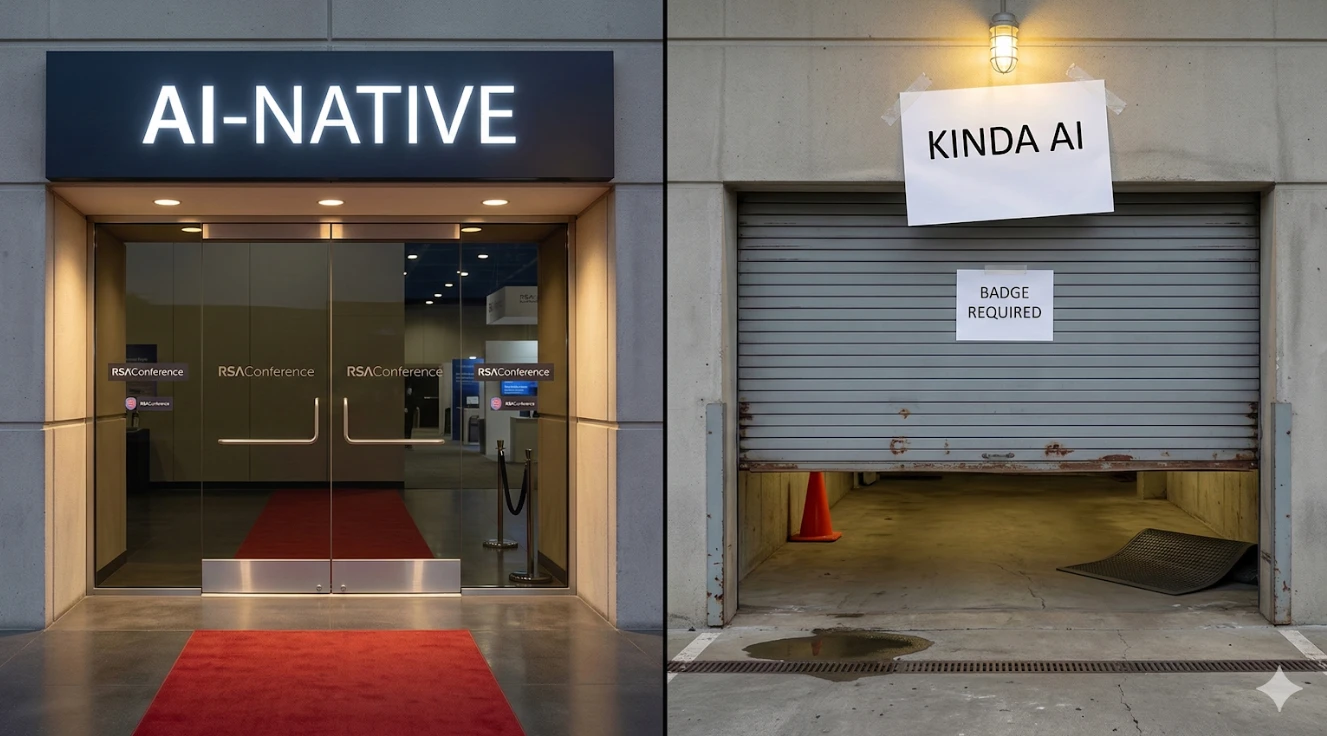
RSA Conference organizers unveil two new expo sections — "AI-Native" and "Kinda AI" — after 340 exhibitors were found to have bolted a chatbot onto existing products and called it an AI strategy.
RSA Conference Creates 'Kinda AI' Expo Section for Companies That Added a Chatbot in 2025
RSA Conference Creates 'Kinda AI' Expo Section for Companies That Added a Chatbot in 2025
RSA Conference organizers unveil two new expo sections — "AI-Native" and "Kinda AI" — after 340 exhibitors were found to have bolted a chatbot onto existing products and called it an AI strategy.
SAN FRANCISCO — RSA Conference organizers announced Wednesday the creation of two new expo sections to address what they described as "a classification crisis" among exhibitors: "AI-Native," for companies that were built on AI from the ground up, and "Kinda AI," for the 340 exhibitors whose executive teams mandated the addition of AI to their products sometime in the last twelve months.
The "Kinda AI" section, located in a converted loading dock adjacent to Moscone South, features limited cell reception and a single bathroom. An RSA spokesperson said the conditions are "temporary" and "broadly consistent with the quality of the AI capabilities being advertised."
Placement was determined by a review panel that evaluated each exhibitor's AI claims against their actual product. One legacy firewall vendor was flagged after its booth materials referenced "AI-powered threat detection" for a product that, according to three customers who spoke to the Exploit, "is the same appliance we've been running since 2019, except the admin console has a chatbot now that hallucinates firewall rules." The vendor's CTO reportedly told the panel the chatbot was "phase one of a broader AI strategy" that the board requested after their CEO attended a dinner with Sequoia.
"We've had anomaly detection for six years. In January our CMO asked us to change every instance of 'machine learning' to 'AI' in the docs. That was the entire AI roadmap. I'm told it tested well with analysts."
A separate subsection, labeled "AI-Adjacent," was created for four vendors whose only AI integration was adding "Ask AI" buttons that route to a lightly fine-tuned GPT wrapper. One attendee reported clicking the button on a vulnerability management platform and receiving a response that confidently recommended patching a CVE that had been withdrawn two years ago. "It answered in a very authoritative tone though," the attendee said. "So that was nice."

"My pen now has AI in it too, but I'm not out here renting a booth," said one CISO who walked the full "Kinda AI" section and reported that every booth offered "AI-driven threat detection," every demo included the phrase "autonomous response," and at least four vendors were running the exact same stock animation of a neural network on their screens. "I visited nineteen booths and retained zero information. It was like a sensory deprivation tank that talks."
"I asked one of them what their model was trained on and the guy said 'security.' Just the word security. That was the whole answer. I waited for more. There was no more."
The only booth generating consistent traffic in the main hall was a legacy firewall vendor called BrickWall that had not added AI to anything and whose signage simply read "We Make Firewalls." They reported their best day in seven years.
At press time, three companies in "Kinda AI" had filed formal appeals to be reclassified as "AI-Native" on the grounds that their chatbot "sometimes gives correct answers," and one vendor had pivoted entirely to "agentic security" between the morning and afternoon sessions after their CEO texted the booth team a link to a blog post.
About the Author

The Exploit Staff
Staff WriterThe editorial team at The Exploit - bringing you the most absurd cybersecurity news before it's patched.
Subscribe before we're patched
Like a vitamin you ingest with your eyes. The best cybersecurity parody, delivered.
Trending
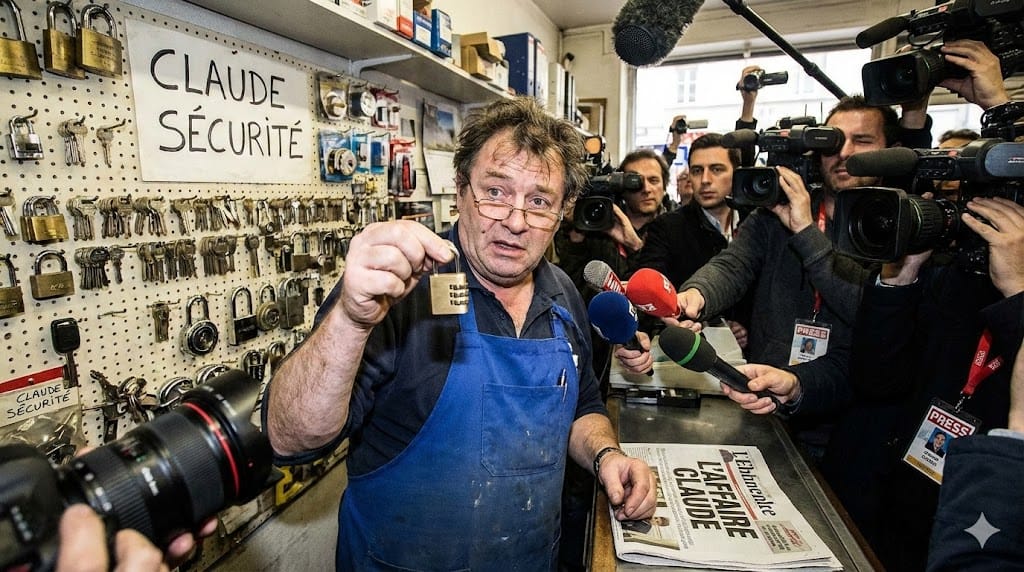
French Locksmith Named Claude Launches Line of Padlocks; Cybersecurity Stocks Lose $18 Billion
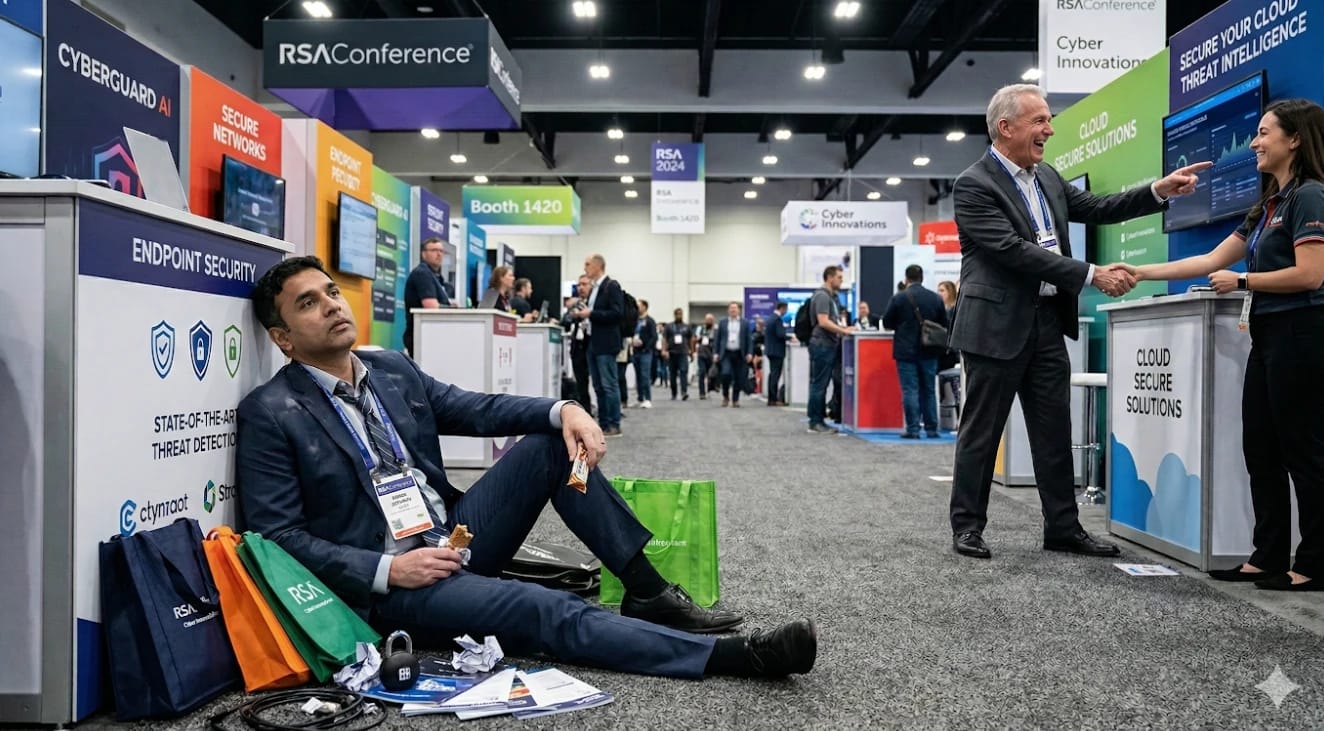
Judge Sentences CISO to 8 Consecutive Hours on RSA Expo Floor as Formal Punishment for Security Breach
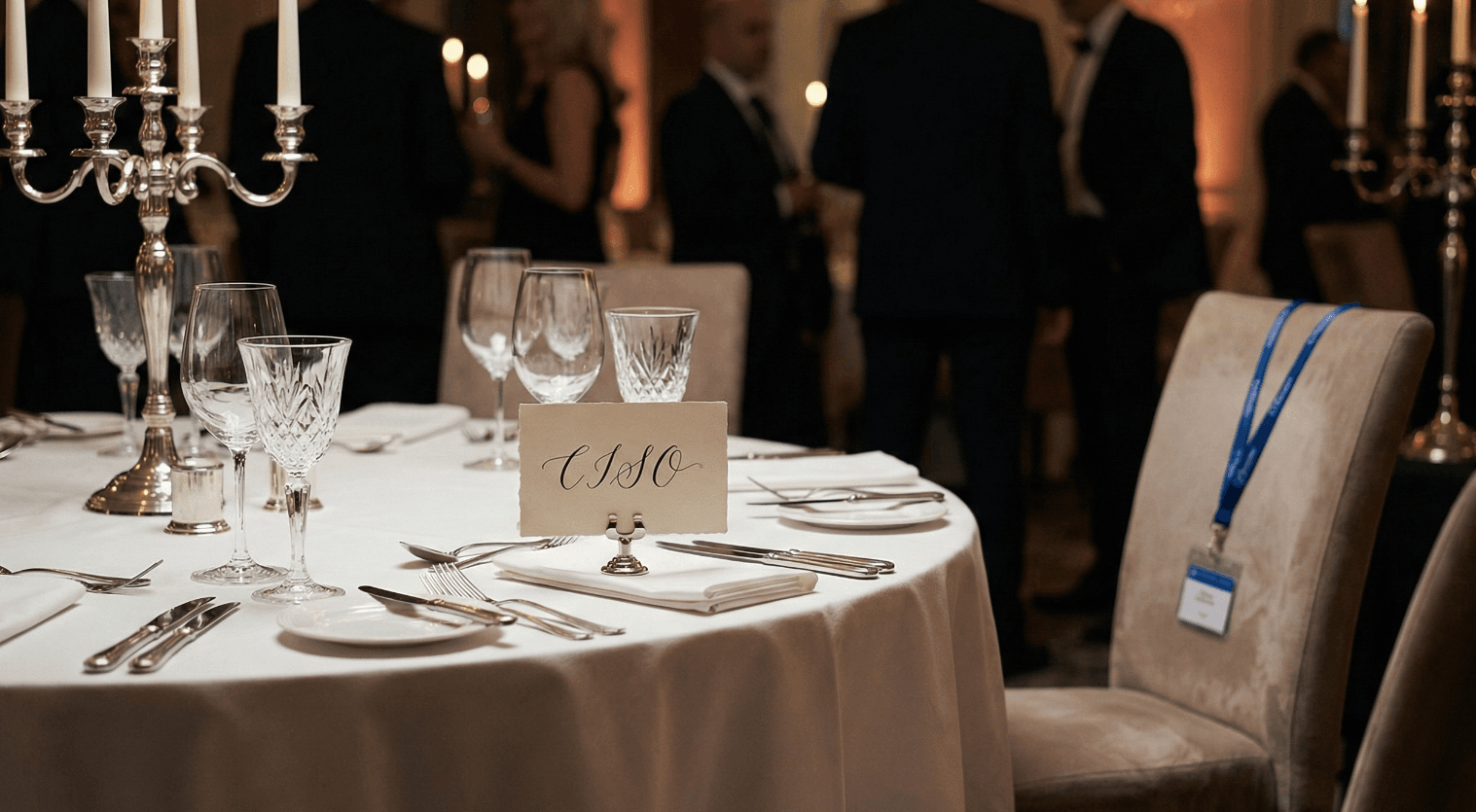
Burnt Out CISO Forced to Decline Michelin-Starred Round Table Dinner.

Related Coverage
Trending
French Locksmith Named Claude Launches Line of Padlocks; Cybersecurity Stocks Lose $18 Billion
Judge Sentences CISO to 8 Consecutive Hours on RSA Expo Floor as Formal Punishment for Security Breach