CyberSock Industries Raises $47M to Protect Security Keys from “Pocket-Based Threat Actors”

CyberSock Industries Raises $47M to Protect Security Keys from “Pocket-Based Threat Actors”

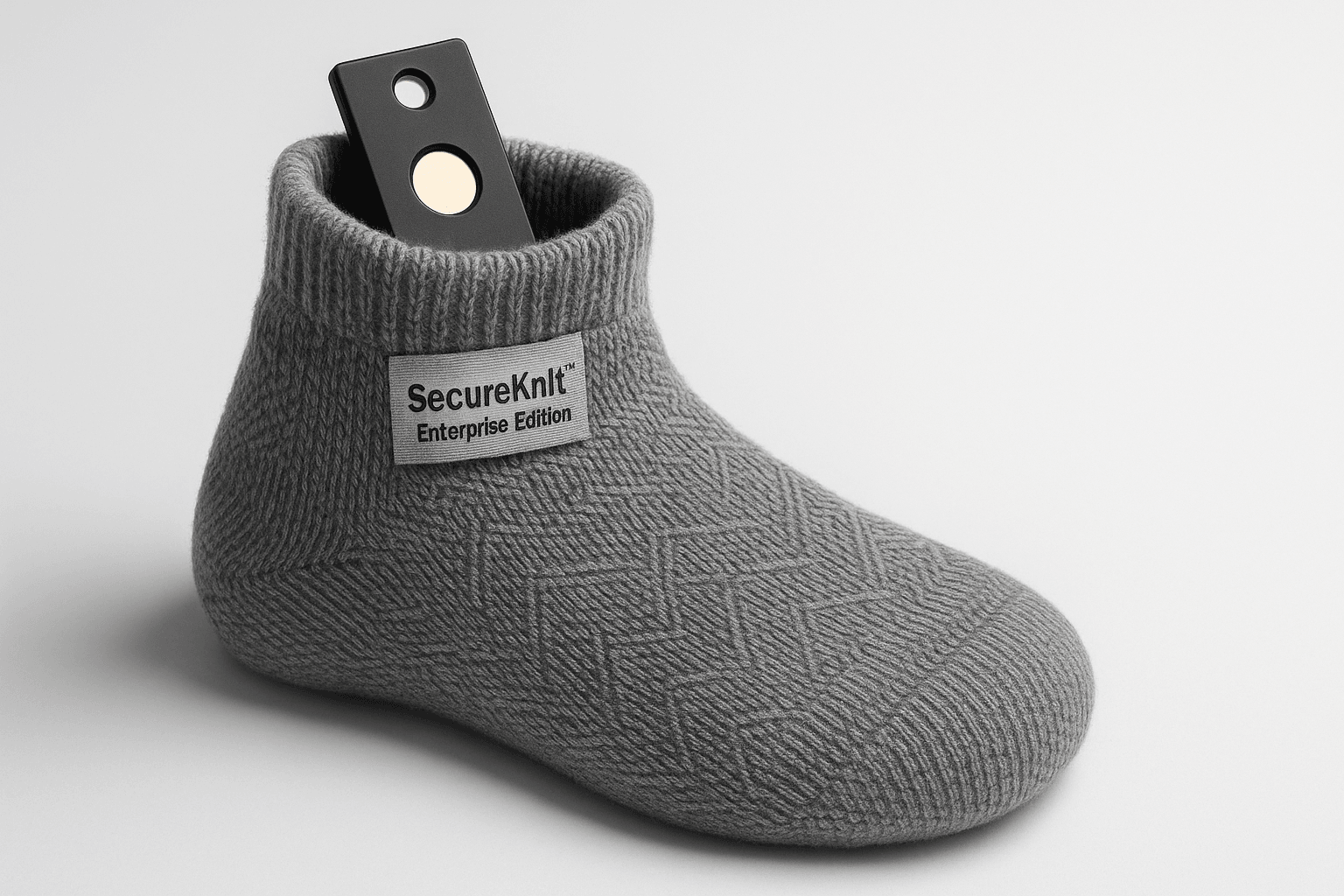
Following the unveiling of a $230 phone sock, cybersecurity startup CyberSock Industries has raised $47M to protect hardware authentication keys from what it calls "aggressive pocket environments" and "catastrophic lint accumulation scenarios." The company's $89/month KeySock Enterprise Edition features "Thread-Level Encryption" and real-time mobile alerts for unusual friction patterns, because apparently we've reached the point where we need enterprise-grade fabric solutions to protect the things that protect the things that protect our networks.
CyberSock Industries Raises $47M to Protect Security Keys from “Pocket-Based Threat Actors”
CyberSock Industries Raises $47M to Protect Security Keys from “Pocket-Based Threat Actors”
Following the unveiling of a $230 phone sock, cybersecurity startup CyberSock Industries has raised $47M to protect hardware authentication keys from what it calls "aggressive pocket environments" and "catastrophic lint accumulation scenarios." The company's $89/month KeySock Enterprise Edition features "Thread-Level Encryption" and real-time mobile alerts for unusual friction patterns, because apparently we've reached the point where we need enterprise-grade fabric solutions to protect the things that protect the things that protect our networks.
SAN FRANCISCO — Following a major phone company’s surprise announcement of its $229.95 phone sock earlier this week, cybersecurity startup CyberSock Industries has secured $47 million in Series B funding to develop what CEO Derek Hamstring calls “the industry’s first enterprise-grade hardware security key protective textile solution.”
Investors are calling it a clear need in a completely untapped market. Analysts are shocked they missed this trend, and are scrambling to create a new acronym as we type.
The patent-pending SecureKnit™ product line features military-grade cotton-polyester blend socks designed specifically to protect USB authentication devices from the growing threat of “aggressive pocket environments.” According to the company’s threat model, physical authentication keys face constant danger from loose change, aggressive key rings, and what one internal memo described as “catastrophic lint accumulation scenarios.”
“We’ve seen too many hardware tokens compromised by pocket-based attacks,” said Hamstring during a launch event at a downtown coworking space. “One CISO told us his VP of Engineering lost three authentication keys in six months to what we’re now classifying as APT-P: Advanced Persistent Threats from Pockets.”
The startup’s flagship product, the KeySock Enterprise Edition ($89/month per key, annual commitment required), includes advanced features like “Thread-Level Encryption” and “Fabric Access Management.” A premium tier adds real-time sock monitoring through a mobile app that alerts users when their security key “may be experiencing unusual friction patterns.”

Industry analysts note that CyberSock’s success reflects a broader trend of security vendors creating increasingly specific solutions to increasingly specific problems. “Five years ago, we were protecting networks,” said CloudShield Analysts principal Jennifer Whitmore. “Now we’re protecting the things that protect the things that protect the networks. Honestly, pocket protectors are sounding like a good idea now.”
The company plans to expand beyond security keys, with prototypes already in development for hardware wallet cozies and MFA token mittens. When asked if a simple lanyard might solve the same problem, Hamstring noted that “lanyards lack the enterprise visibility and compliance reporting capabilities that modern security teams demand.”
CyberSock’s board includes former executives from FireNet Security and a venture partner who previously invested in a startup that made artisanal Ethernet cables for blockchain applications.
About the Author

The Exploit Staff
Staff WriterThe editorial team at The Exploit - bringing you the most absurd cybersecurity news before it's patched.
Subscribe before we're patched
Like a vitamin you ingest with your eyes. The best cybersecurity parody, delivered.
Trending
French Locksmith Named Claude Launches Line of Padlocks; Cybersecurity Stocks Lose $18 Billion

Riot Breaks Out at Corporate Headquarters after Security Team Introduces “Shift Left”
Judge Sentences CISO to 8 Consecutive Hours on RSA Expo Floor as Formal Punishment for Security Breach

Related Coverage
Trending
French Locksmith Named Claude Launches Line of Padlocks; Cybersecurity Stocks Lose $18 Billion
Riot Breaks Out at Corporate Headquarters after Security Team Introduces “Shift Left”